
As I stood in my kitchen, a gentle breeze carrying the smell of coconut wafted in from the open window, instantly transporting me to a sun-soaked beach in Portugal. That’s the magic of Portuguese Coconut Cakes. These fluffy tropical delights are not just a treat; they are the epitome of homemade goodness, bringing a slice of paradise right to your table. With quick prep and endless customization options, they make an ideal dessert for gatherings or a sweet escape during a cozy afternoon at home. Whether you’re looking to enjoy them gluten-free, dairy-free, or even vegan, this recipe will have your loved ones clamoring for more. Ready to unveil the secret to making these mouthwatering cakes? Let’s dive in!
Why Are These Cakes So Irresistible?
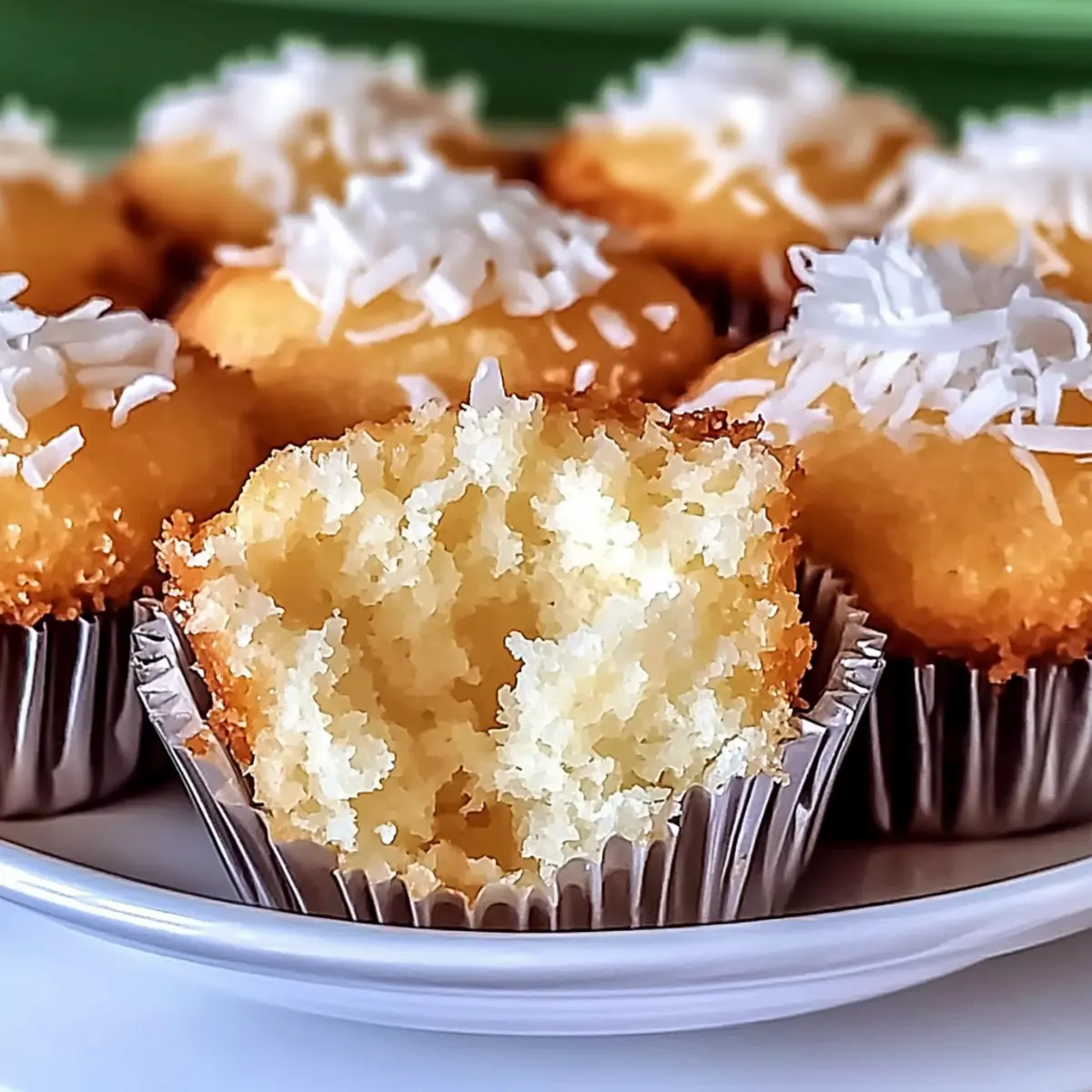
Fluffy Texture: These Portuguese Coconut Cakes are incredibly light, making every bite like a soft cloud of coconut bliss.
Versatile Variations: With easy substitutions like almond milk for a dairy-free option or flax eggs for a vegan twist, everyone can enjoy them.
Tropical Flavor: The rich coconut flavor transports you to sunny beaches, perfect for any occasion, whether it’s brunch or a cozy night in.
Quick Prep Time: Whip these up in no time; you’ll love how they come together quickly without sacrificing taste.
Crowd-Pleasing Delight: Whether serving them warm or at room temperature, they are sure to impress friends and family alike. Enjoy alongside a cup of coffee or pair with Lemon Ricotta Pancakes for a brunch treat!
Portuguese Coconut Cakes Ingredients
For the Batter
- Coconut Milk – Main moisture source; substitute with almond milk for a dairy-free version.
- Shredded Coconut – Adds texture and flavor; use unsweetened for a less sweet cake.
- Eggs – Provides structure and moisture; can replace with flax eggs for a vegan option.
- Sugar – Sweetens the cake; brown sugar can enhance flavor with a hint of caramel.
- Flour – Provides structure; whole wheat is a healthier alternative.
- Baking Powder – Leavening agent for fluffiness; ensure it is fresh for the best results.
Step‑by‑Step Instructions for Portuguese Coconut Cakes
Step 1: Preheat the Oven
Begin by preheating your oven to 350°F (175°C), ensuring it’s at the right temperature for baking. While the oven heats, prepare a muffin tin by lining it with paper liners or greasing it lightly with cooking spray or butter. This will prevent the cakes from sticking, allowing for a smooth release after baking.
Step 2: Mix Wet Ingredients
In a large mixing bowl, combine the coconut milk, shredded coconut, eggs, and sugar. Whisk until everything is well blended, ensuring that the mixture is smooth and free of lumps. This wet mixture is the key to achieving the moist, fluffy texture of the Portuguese Coconut Cakes, providing a wonderful coconut flavor.
Step 3: Combine Dry Ingredients
In a separate bowl, whisk together the flour and baking powder. Mixing these ingredients ensures even distribution of the baking powder, which is crucial for the fluffiness of your cakes. Once they are thoroughly combined, you are ready to integrate these dry ingredients with the wet mixture for a balanced batter.
Step 4: Integrate Mixtures
Carefully fold the dry ingredient mixture into the wet mixture using a spatula. Do this gradually, mixing gently until just combined; avoid overmixing to maintain the cakes’ airy texture. You should see a few small lumps remaining, which is perfectly acceptable. This is the secret to the fluffiness of your Portuguese Coconut Cakes.
Step 5: Fill Muffin Cups
Using a spoon or ice cream scoop, fill each muffin cup about two-thirds full with the batter. This ensures that the cakes have enough room to rise without overflowing. As you fill the cups, take care to distribute the batter evenly for consistent baking and delightful presentation once they’re done.
Step 6: Bake
Place the muffin tin in the preheated oven and bake for approximately 25 minutes. Keep an eye on them, as you’re looking for a golden-brown top and a clean toothpick inserted into the center, which will come out dry. This visual cue indicates that your Portuguese Coconut Cakes are perfectly baked and ready to come out.
Step 7: Cool and Serve
Once baked, remove the muffin tin from the oven and let the cakes cool in the tin for about 5-10 minutes. After they have somewhat cooled, carefully transfer them to a wire rack to cool completely. Serving them warm or at room temperature enhances the delightful coconut flavor of your Portuguese Coconut Cakes, making them a perfect treat!

Make Ahead Options
These Portuguese Coconut Cakes are ideal for meal prep, allowing you to enjoy them fresh anytime! You can prepare the batter up to 24 hours in advance. Simply mix the wet and dry ingredients separately, then combine them and store in an airtight container in the fridge. This keeps the batter moist and prevents browning. Alternatively, you can bake the cakes and store them in an airtight container for up to 3 days at room temperature or freeze them for up to 1 month. When ready to serve, just reheat the cakes in a warm oven for a few minutes, and they’ll taste just as delicious as when freshly made—saving you time without compromising flavor!
What to Serve with Portuguese Coconut Cakes
Enhance your tropical experience by pairing these delightful cakes with complementary dishes and drinks that elevate every bite.
-
Fresh Tropical Fruit Salad: Brighten your meal with a mix of fresh mango, pineapple, and kiwi. This refreshing side brings an added zest that perfectly contrasts the sweet richness of the cakes.
-
Minty Iced Tea: Serve a chilled mint iced tea for a refreshing beverage that cools your palate. The cool mint complements the coconut, creating an invigorating duo that feels like a tropical breeze.
-
Coconut Whipped Cream: A dollop of coconut whipped cream adds an indulgent touch while echoing the cake’s coconut flavor. It’s a luxurious yet effortless way to elevate your dessert.
-
Chocolate Dipping Sauce: If you’re feeling adventurous, drizzle some warm chocolate sauce over the cakes. The rich chocolate brings a delightful balance to the light, fluffy texture of the Portuguese Coconut Cakes.
-
Citrus Scones: Pair with buttery citrus scones for a delightful brunch experience. The subtle tartness and flaky texture of the scones beautifully balance the cakes’ sweetness.
-
Espresso or Coffee: Enjoy these cakes with a cup of rich espresso or coffee. The bitterness of the coffee complements the sweetness of the cakes, enhancing their tropical flavors.
-
Rum Punch: For a party, serve a fruity rum punch alongside your cakes. The festive drink adds a celebratory flair, perfectly matching the carefree spirit of your tropical treats.
Expert Tips for Portuguese Coconut Cakes
-
Room Temperature Ingredients: Ensure all ingredients, especially eggs and coconut milk, are at room temperature for a smoother batter and improved texture.
-
Don’t Overmix: Gently fold the wet and dry mixtures together until just combined. Overmixing can lead to dense cakes instead of fluffy Portuguese Coconut Cakes.
-
Check Baking Powder Freshness: Always use fresh baking powder; expired powder can result in flat, unrisen cakes. Test by adding a little to vinegar; if it fizzes, it’s good!
-
Cool Properly: Allow cakes to cool in the tin for a few minutes before transferring to a wire rack. This prevents steam from making them soggy.
-
Customize Safely: Experiment with your favorite variations cautiously, adding zest or chocolate in moderation to maintain the cakes’ ideal fluffiness.
Portuguese Coconut Cakes Variations
Embrace your creativity in the kitchen by customizing these delightful cakes to suit your taste preferences and dietary needs!
-
Dairy-Free: Substitute coconut milk with almond or oat milk for a creamy, dairy-free option.
-
Zesty Kick: Add lemon or orange zest to the batter for a refreshing, citrusy twist that brightens each bite.
-
Nutty Crunch: Fold in chopped almonds or walnuts for a satisfying crunch that complements the soft texture beautifully.
-
Chocolate Delight: Incorporate vegan chocolate chips for a rich, sweet addition that takes the cakes over the top.
-
Gluten-Free: Use a gluten-free flour blend to make these delightful treats accessible to gluten-sensitive eaters.
-
Coconut Syrup: Drizzle warm coconut syrup over the cakes just before serving to create an indulgent, sticky sweetness.
-
Spiced Up: Add a pinch of cinnamon or nutmeg to the batter for warm, comforting flavors that enhance the coconut.
-
Fruit-Topped: Serve with fresh mango or pineapple slices on the side for a tropical burst that elevates the dessert experience.
These variations offer endless possibilities, ensuring that every baking adventure leads to a unique treat! If you’re feeling adventurous, why not pair them with Spicy Coconut Curry for a warm dinner, or follow up with delightful Key Lime Cheesecakes for dessert? Enjoy the journey!
Storage Tips for Portuguese Coconut Cakes
-
Room Temperature: Store the cakes in an airtight container at room temperature for up to 3 days. This helps preserve their fluffy texture and delightful coconut flavor.
-
Fridge: If you prefer them chilled, they can be stored in the refrigerator for up to 5 days. Just remember to wrap them tightly to prevent them from drying out.
-
Freezer: For longer storage, freeze the Portuguese Coconut Cakes in a sealed freezer bag for up to 1 month. This way, you can enjoy a tropical escape anytime!
-
Reheating: To reheat, place them in a warm oven at 350°F (175°C) for about 10 minutes. This method helps restore their freshly baked taste and texture.

Portuguese Coconut Cakes Recipe FAQs
What type of coconut milk should I use?
Opt for full-fat coconut milk for a rich and creamy texture that maximizes flavor. If you’re looking for a lighter alternative, a low-fat coconut milk can do the trick. Just ensure it’s well-shaken before using, so the cream and liquid are properly combined for a smooth batter.
How do I store leftover Portuguese Coconut Cakes?
Store your cakes in an airtight container at room temperature for up to 3 days to keep them fluffy. For extended storage, place them in the refrigerator for up to 5 days or freeze them in a sealed freezer bag, where they’ll stay fresh for up to 1 month. To reheat, simply warm them in a preheated oven at 350°F (175°C) for about 10 minutes.
Can I freeze Portuguese Coconut Cakes? How should I do it?
Absolutely! To freeze, allow the cakes to cool completely before wrapping each one in plastic wrap, then place them in a freezer-safe bag. This way, they won’t get freezer burn. When you’re ready to enjoy, thaw them overnight in the refrigerator and reheat in the oven, so they taste freshly baked!
What should I do if my cakes don’t rise?
If your Portuguese Coconut Cakes are dense, it could be due to expired baking powder. Always check its freshness by adding a small amount to vinegar; if it fizzes, it’s still good! Also, avoid overmixing the batter as this can lead to dense results. Aim for gently folding the dry into the wet until everything is just combined.
Are Portuguese Coconut Cakes suitable for special diets?
Yes, indeed! You can easily make these cakes gluten-free by using a gluten-free flour blend. For a dairy-free option, almond or oat milk works wonderfully instead of coconut milk. If you need a vegan substitute, replace the eggs with flax eggs (1 tablespoon ground flaxseed mixed with 2.5 tablespoons water per egg needed). These adaptations ensure everyone can enjoy this delightful recipe!
How can I tell when the cakes are fully baked?
To check for doneness, insert a toothpick into the center of one of the cakes. If it comes out clean or with a few moist crumbs (not wet batter), they are ready. Additionally, you’re looking for a golden-brown top which indicates a deliciously baked cake. Enjoy the tropical vibes!

Mouthwatering Portuguese Coconut Cakes: A Tropical Escape
Ingredients
Equipment
Method
- Preheat the oven to 350°F (175°C) and prepare a muffin tin.
- In a large bowl, mix coconut milk, shredded coconut, eggs, and sugar.
- In another bowl, whisk together flour and baking powder.
- Fold the dry mixture into the wet mixture until just combined.
- Fill muffin cups two-thirds full with the batter.
- Bake for approximately 25 minutes until golden brown.
- Cool in the tin for 5-10 minutes before transferring to a wire rack.