
I once found myself in a bustling Italian pizzeria, mesmerized as the chef tossed his dough high into the air, the flour dancing like snowflakes under the warm kitchen lights. That captivating moment sparked my journey into mastering artisan pizza dough at home. With this recipe, you too can craft a beautifully crispy, chewy crust that mimics those pizzerias. Utilizing high hydration and a long fermentation process, this artisan pizza dough not only enhances flavor but also makes for an impressive crowd-pleaser that’s easy to master in your own kitchen. Imagine pulling a bubbling, golden pizza from your oven—what toppings will you choose for your masterpiece?

Why is This Artisan Pizza Dough Special?
Crispy, Chewy Crust: This recipe delivers a pizza crust that boasts both the crunch and chew all pizza lovers crave.
Easy to Master: With a few straightforward steps, you’ll feel like a pro chef in your own kitchen.
Versatile Ingredients: Switch up the flavors by experimenting with different flours or adding herbs, just like in my delicious Cheesecake Cookie Dough tacos!
Long Fermentation Flavor: The long fermentation process develops complex flavors that elevate your pizza beyond takeout.
Crowd-Pleasing Appeal: Perfect for family dinners or gatherings, every bite of this artisan pizza dough is sure to impress.
Time-Saving Freezing: Make a batch and freeze extras for future pizza nights, ensuring you always have dough on hand for that spontaneous pizza craving!
Artisan Pizza Dough Ingredients
Transform your pizza night with this artisan pizza dough that promises a crispy, chewy crust!
For the Dough
- 500g (3 ¾ cups) All-Purpose Flour – Provides structure and chewiness; substitute with 00 flour for an even more delicate flavor.
- 375g (1 ½ cups + 2 tbsp) Water – Hydrates the dough; ensure it’s lukewarm when using active dry yeast for best results.
- 1g (¼ tsp) Instant Yeast – Promotes slow fermentation; you can use rapid rise yeast, but it may change the flavor profile.
- 10g (1 ½ tsp) Salt – Enhances flavor and regulates fermentation; adjust according to dietary preferences.
For Optional Flavor Enhancements
- Dried Herbs or Spices – Add these to the flour to personalize your artisan pizza dough with extra flavor.
With these artisan pizza dough ingredients, you’re all set to impress your loved ones with a homemade pizza that rivals any pizzeria!
Step‑by‑Step Instructions for artisan pizza dough
Step 1: Mix Flour and Water
At 9:00 AM, grab a large mixing bowl and combine 500g of all-purpose flour with 375g of lukewarm water. Stir well using a wooden spoon or your hands until there are no dry bits left. This mixture should form a shaggy dough. Cover the bowl with a damp cloth and let it rest for 30 minutes—this helps with hydration!
Step 2: Combine Yeast and Salt
At 9:30 AM, sprinkle 1g of instant yeast and 10g of salt over the rested mixture. Use your hands to incorporate these ingredients fully, squeezing the dough until the salt and yeast are evenly distributed. The dough will feel slightly sticky but should begin to come together beautifully. It’s time to let it rise!
Step 3: Bulk Fermentation
By 10:30 AM, cover the bowl again with the damp cloth and place it in a warm area of your kitchen. Allow the dough to bulk ferment for 5-6 hours, or until it has doubled in size. Check periodically; the dough should look puffy and have bubbles forming on the surface, indicating it’s alive and ready for shaping.
Step 4: Shape into Balls
At 3:30 PM, dust your countertop with flour and gently turn the dough out onto it. Divide the risen dough into two equal pieces using a bench scraper or sharp knife. Gently shape each piece into a tight ball by tucking the edges under. Be careful not to deflate the air bubbles too much, ensuring the artisan pizza dough remains airy.
Step 5: Rest in Refrigerator
Once shaped, lightly grease the balls of dough with a bit of olive oil to prevent sticking. Wrap them tightly in plastic wrap and place them in the refrigerator. They can rest for up to 2 days, which enhances the flavor even further. Alternatively, if you’re craving pizza sooner, these dough balls can be frozen for up to 3 months.

Variations & Substitutions for Artisan Pizza Dough
Feel free to mix things up and make this artisan pizza dough truly your own!
-
Whole Wheat Flour: Substitute half of the all-purpose flour with whole wheat flour for added nuttiness and fiber. This adds depth to your crust while keeping it chewy.
-
Herb-Infused Dough: Mix in dried Italian herbs like oregano or basil for a flavorful twist. Just imagine the exquisite aroma wafting from your oven!
-
Spicy Kick: Add a teaspoon of red pepper flakes to the flour for a subtle heat that will liven up your pizza. Your taste buds will thank you!
-
Garlic Powder: For a savory undertone, incorporate a tablespoon of garlic powder into the flour mix. It’s a wonderful way to elevate the flavor profile.
-
Vegan Option: Replace the salt with a low-sodium option and ensure all ingredients are free from animal products for a delightful vegan version. You can still enjoy a mouthwatering pizza!
-
Cheesy Goodness: Fold in grated cheese, such as Parmesan or mozzarella, into the dough for an indulgent, cheesy crust that’s hard to resist.
-
Experiment with Styles: Try making a calzone or stuffed crust by shaping your dough into a round and sealing in your favorite fillings! This can be a fun surprise for family or guests.
-
Herbal Oil Brush: Before baking, brush the crust with a mixture of olive oil and fresh herbs for an aromatic finish. You might want to pair it with a side of Pepperoni Pizza Soup for a complete pizza experience!
What to Serve with Artisan Pizza Dough
Imagine the tantalizing aroma of freshly baked pizza wafting through your home—what sides and treats will accompany this masterpiece?
- Garlicky Cheese Bread: This cheesy delight pairs perfectly with pizza, offering a satisfying crunch and a gooey center that won’t be forgotten.
- Mixed Green Salad: A light, refreshing salad with a zesty vinaigrette balances the richness of the pizza, adding brightness to your meal.
- Roasted Vegetables: Seasonal vegetables, caramelized to perfection, provide a warm, earthy companion to your pizza, enhancing the overall dining experience.
- Homemade Marinara Sauce: A small bowl of robust marinara can be used for dipping crusts or as a topping, adding an extra layer of flavor to each bite.
- Craft Beer or Red Wine: A chilled craft beer or a glass of robust red wine complements the rich flavors of your artisan pizza, adding warmth to the gathering.
- Tiramisu: Finish off your dinner with a slice of creamy tiramisu for a sweet, sophisticated ending, creating a memorable culinary experience.
Expert Tips for Artisan Pizza Dough
-
Manage the Stickiness: Expect a sticky dough during handling; keep your hands and workspace lightly wet to prevent it from sticking and ensure easy shaping.
-
Perfect Fermentation: Monitor the dough closely during the bulk fermentation; cooler environments might extend the rise time. Always look for it to double in size for the best artisan pizza dough results.
-
Oven Preheating: Ensure your oven is preheated to its highest setting, ideally around 475-550°F with a baking steel or pizza stone. This promotes a crispy crust with perfect blistered bubbles.
-
Experiment with Flours: Don’t hesitate to swap all-purpose flour with bread flour or whole wheat for unique taste and textures. Each variation can redefine your pizza experience.
-
Prepare Ahead: Refrigerate or freeze leftover dough balls for future pizza nights. This saves time and ensures you can whip up artisan pizza whenever the craving strikes!
How to Store and Freeze Artisan Pizza Dough
Fridge: Store the dough balls wrapped tightly in plastic wrap and place them in the refrigerator for up to 2 days. This will enhance the flavor and texture.
Freezer: For longer storage, freeze the dough balls for up to 3 months. Make sure to wrap them well in plastic wrap and place them in an airtight container to prevent freezer burn.
Defrosting: When you’re ready to use the frozen artisan pizza dough, remove it from the freezer and let it thaw overnight in the fridge. This gradual process keeps it flavorful and ready for baking.
Reheating: Once thawed, let the dough come to room temperature for about 30 minutes before shaping and baking. This helps achieve that desired crispy, chewy crust.
Make Ahead Options
These artisan pizza dough preparations are perfect for busy weeknights and meal prep lovers! You can mix the dough and refrigerate it for up to 2 days, or even freeze the shaped balls for up to 3 months. To do this, simply follow the initial mixing and fermentation steps, then shape the dough into balls and lightly grease them. Wrap tightly in plastic wrap or place them in freezer bags to maintain quality. When you’re ready to enjoy your pizza, thaw in the refrigerator overnight before serving, allowing the dough to come to room temperature. This way, you’ll have fresh, artisan pizza dough at your fingertips, ready to impress your family with minimal effort!
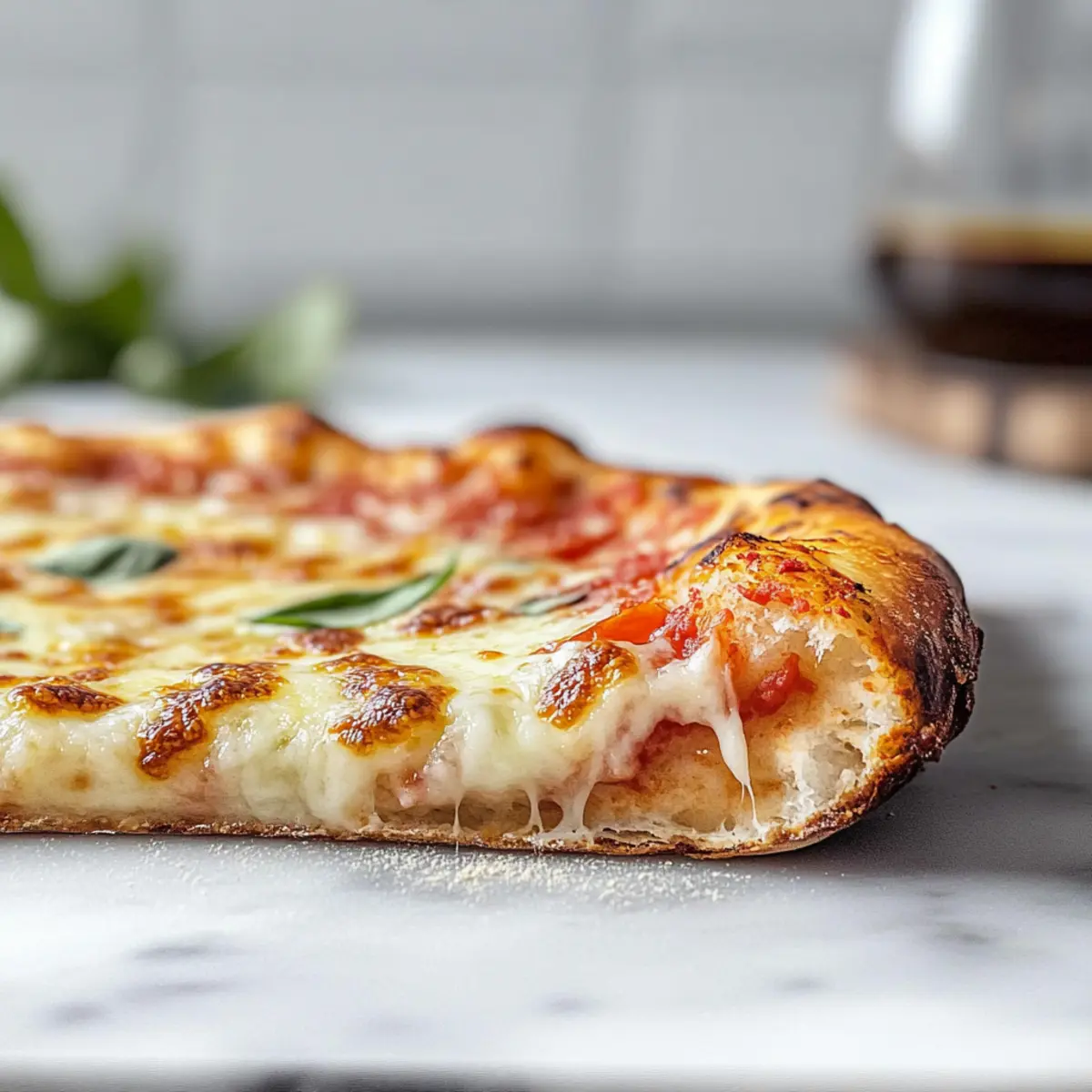
Artisan Pizza Dough Recipe FAQs
What type of flour should I use for artisan pizza dough?
Using 500g (3 ¾ cups) of all-purpose flour is ideal for creating a chewy crust. However, if you’re looking for a more delicate texture, consider substituting 00 flour. This finely ground flour originates from Italy and can impart a wonderful flavor and lightness to your dough.
How should I store my artisan pizza dough?
You can store your dough balls wrapped tightly in plastic wrap in the refrigerator for up to 2 days. This not only keeps them fresh but allows the flavors to develop further. If you want to keep them longer, freeze the dough balls in an airtight container for up to 3 months to maintain their quality.
Can I freeze artisan pizza dough?
Absolutely! Once you’ve shaped your dough into balls, wrap each one tightly in plastic wrap and place them in an airtight container. This prevents freezer burn and allows you to enjoy homemade pizza anytime. When you’re ready to use it, let it defrost overnight in the fridge and allow it to come to room temperature for about 30 minutes before shaping.
What if my dough isn’t rising?
If your dough isn’t rising as expected, it could be due to cool temperatures in your kitchen. In this case, you can try moving it to a warmer location or extending the fermentation time by another hour or two. Keep an eye on it for visually confirming that it has roughly doubled in size. If you suspect your yeast might be inactive, try using fresh yeast or a bit of sugar to give it a boost.
Can my pet eat artisan pizza dough?
While the ingredients in artisan pizza dough (like flour and water) aren’t toxic to pets, it isn’t a suitable treat for them. The dough can rise in their stomach, potentially leading to discomfort. To keep your furry friends safe, stick with their designated treats and save the delicious pizza for yourself!
How do I know when to bake my artisan pizza?
Your pizza dough is ready for baking once it has been shaped and is aesthetically pleasing—airy with bubbles forming. Once topped with your favorite ingredients, be sure to preheat your oven at its highest setting (around 475-550°F). The dough should bake until its crust is golden-brown and crispy, typically around 10-15 minutes, depending on your oven and the thickness of the crust. Enjoy that bubbly, delicious pizza!
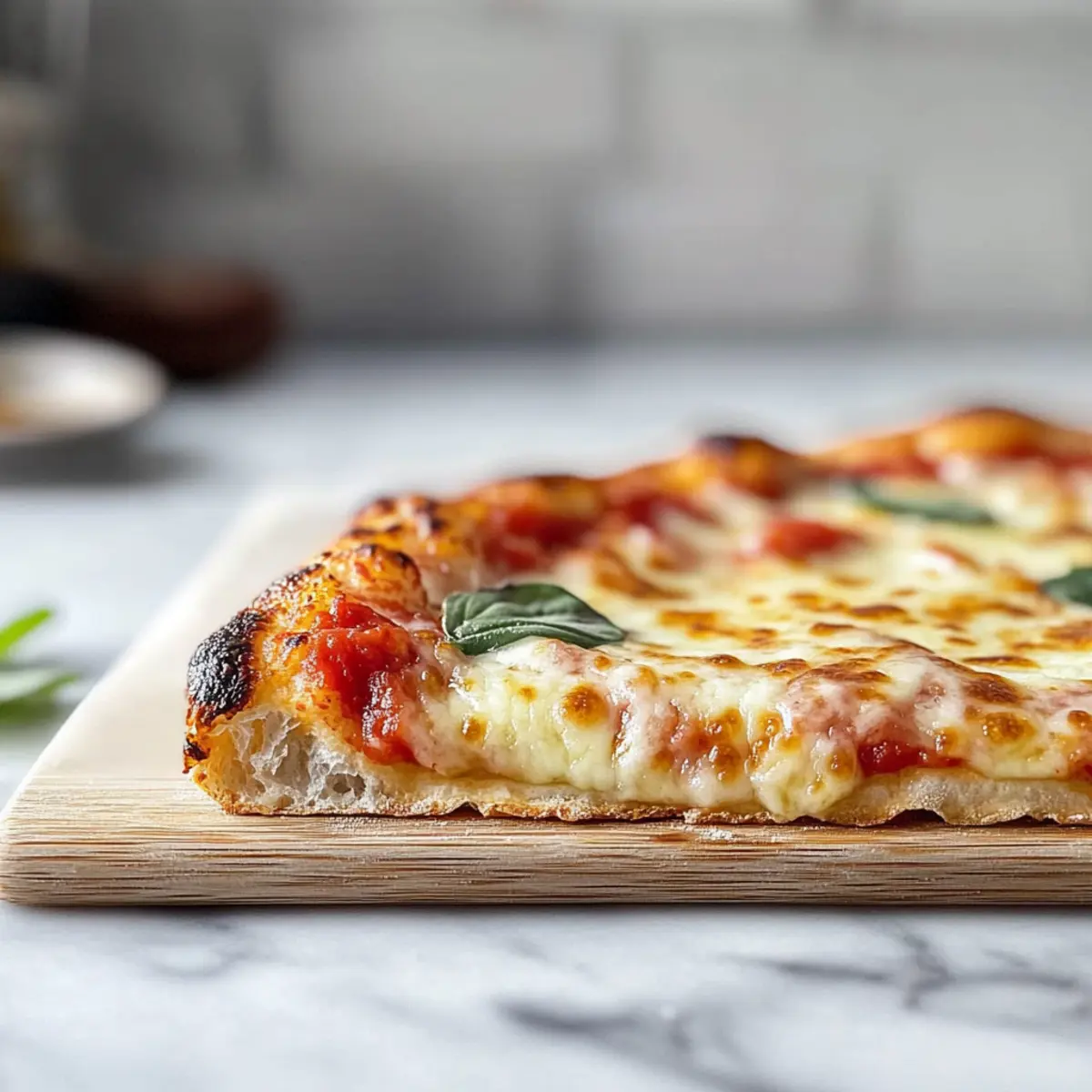
Artisan Pizza Dough: Perfectly Crispy & Chewy Every Time
Ingredients
Equipment
Method
- Combine 500g of all-purpose flour with 375g of lukewarm water in a mixing bowl. Stir until there are no dry bits left. Cover and let rest for 30 minutes.
- Sprinkle 1g of instant yeast and 10g of salt over the rested mixture. Incorporate fully using your hands until evenly distributed.
- Cover the bowl again and let the dough bulk ferment for 5-6 hours in a warm area until it has doubled in size.
- Dust your countertop with flour, turn the dough out, and divide it into two equal pieces. Shape them into tight balls.
- Lightly grease the balls with olive oil, wrap in plastic wrap, and refrigerate for up to 2 days or freeze for up to 3 months.