
As I stood in my kitchen, the tantalizing aroma of roasted vegetables filled the air, instantly bringing me back to sun-drenched Mediterranean markets. This Layered Mediterranean Vegetable Lasagna with Creamy Ricotta is not just a recipe; it’s a vibrant celebration of fresh ingredients and comforting flavors. Packed with colorful veggies like eggplant and zucchini, it’s a delightful dish that’s both vegetarian and utterly satisfying. What I love most is how effortlessly it can be prepared ahead of time, making it a lifesaver for busy weeknights or weekend gatherings. Plus, it’s a crowd-pleaser—who can resist layers of melty cheese and rich marinara? Ready to transform your dinner plate? Let’s dive into this delicious recipe!
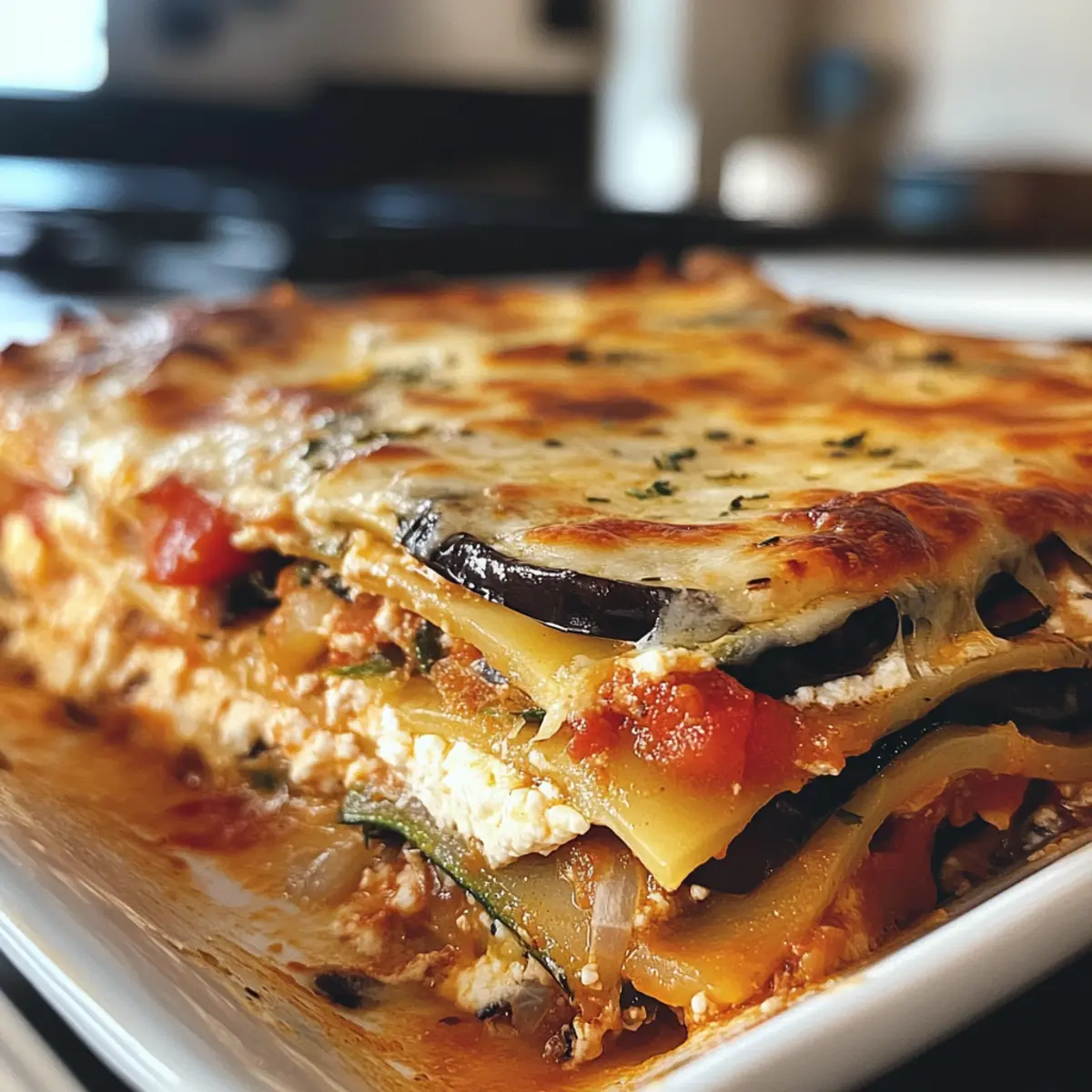
Why is this lasagna a must-try?
Colorful, Flavorful Layers: This Mediterranean Vegetable Lasagna is a feast for the eyes and the palate, combining roasted eggplant, zucchini, and bell peppers into a gorgeous, hearty dish.
Hearty Yet Light: With creamy ricotta and stretchy mozzarella, every bite offers comforting flavors without the heavy guilt!
Make Ahead Magic: It’s a perfect candidate for meal prep—just assemble in advance, bake, and serve.
Flexibility: Feel free to swap in your favorite veggies, like mushrooms or spinach, for a personalized twist.
Crowd-Pleasing Goodness: Whether at a dinner party or family gathering, this dish is sure to impress everyone at your table. Don’t forget to serve it alongside a refreshing side salad or crusty bread for a complete Mediterranean experience!
Mediterranean Vegetable Lasagna Ingredients
For the Vegetables
• Eggplant – Provides a meaty texture and absorbs seasonings; substitute zucchini for a lighter option.
• Zucchini – Adds moisture and delicate crunch; can be replaced with yellow squash.
• Red Bell Pepper – Imparts sweetness and color; use green bell pepper for a more savory note.
• Yellow Bell Pepper – Enhances the dish with tangy sweetness; substitute with additional red bell pepper if unavailable.
• Olive Oil – Ensures vegetables roast evenly and adds flavor; use avocado oil as an alternative.
• Salt & Pepper – Essential for seasoning; adjust according to taste.
For the Lasagna
• Lasagna Noodles – The structural foundation can be replaced with no-boil or gluten-free noodles.
• Ricotta Cheese – Adds creamy richness; cottage cheese blended smooth can be a lighter replacement.
• Mozzarella Cheese – Contributes stretchy cheesiness; dairy-free cheese can be used for a vegan version.
• Parmesan Cheese – Provides nuttiness and a crisp top; nutritional yeast works as a vegan alternative.
For Flavoring
• Garlic – An aromatic component for depth of flavor; can use garlic powder as a substitute.
• Dried Oregano – Adds classic Mediterranean notes; fresh oregano can be used if available.
• Dried Basil – Enhances flavor profile with its sweetness; fresh basil can be substituted for an even fresher taste.
• Marinara Sauce – Binds all layers together; opt for a homemade sauce for a richer flavor.
For Garnish
• Fresh Basil Leaves – Provides a fresh finish; other fresh herbs like parsley can work as a substitute.
Step‑by‑Step Instructions for Mediterranean Vegetable Lasagna
Step 1: Preheat Your Oven
Begin by preheating your oven to 400°F (200°C). While the oven warms up, prepare a large baking sheet lined with parchment paper. This will ensure your roasted vegetables have a non-stick surface, allowing them to caramelize beautifully without sticking.
Step 2: Prepare the Vegetables
Slice the eggplant, zucchini, and bell peppers into even pieces for uniform roasting. Arrange them in a single layer on the prepared baking sheet. Drizzle with olive oil and sprinkle generously with salt and pepper, tossing gently to coat. This step will enhance the flavors and aid in roasting.
Step 3: Roast the Vegetables
Roast the vegetable medley in the preheated oven for about 20 minutes. Halfway through, carefully flip the vegetables with a spatula to ensure they roast evenly. You’ll know they are done when they’re tender and have developed a nice char—this adds depth to your Mediterranean Vegetable Lasagna.
Step 4: Cook the Lasagna Noodles
While the vegetables roast, bring a large pot of salted water to a boil. Add the lasagna noodles and cook according to package instructions until al dente, usually around 8-10 minutes. Drain the noodles in a colander and set aside to cool slightly, preventing them from sticking together.
Step 5: Mix the Ricotta Filling
In a medium bowl, combine the ricotta cheese, minced garlic, dried oregano, dried basil, and a pinch of salt and pepper. Mix until smooth and well blended. This creamy filling will provide richness to your Mediterranean Vegetable Lasagna, perfectly complementing the roasted vegetables.
Step 6: Spread the Marinara Sauce
Take a 9×13 inch baking dish and spread a thin layer of marinara sauce evenly across the bottom. This step not only adds flavor but also prevents the noodles from sticking to the dish, creating a flavorful base for the layers to come.
Step 7: First Layer Assembly
Begin layering with three lasagna noodles, followed by half of the roasted vegetables. Spoon half of the ricotta mixture over the vegetables, and sprinkle a third of the mozzarella and parmesan cheeses on top. This combination of flavors sets the stage for a delicious Mediterranean Vegetable Lasagna.
Step 8: Repeat the Layering
Repeat the layering process by spreading more marinara sauce over the noodles, followed by another layer of lasagna noodles, the remaining roasted vegetables, the rest of the ricotta mixture, and another third of the cheeses. This layering will create a beautiful height and texture in your lasagna.
Step 9: Final Layer and Sauce
Add a final layer of lasagna noodles on top. Take the remaining marinara sauce and generously spread it over the noodles. Finish by sprinkling the remaining mozzarella and parmesan cheeses on top. This layer will create a bubbly, golden crust as it bakes.
Step 10: Bake the Lasagna
Cover the baking dish with aluminum foil, ensuring it doesn’t touch the cheese. Bake the Mediterranean Vegetable Lasagna for 25 minutes in the preheated oven. After that, remove the foil and bake for an additional 15 minutes or until the cheese is melted and golden brown.
Step 11: Rest and Garnish
Once baked, remove the lasagna from the oven and let it rest for about 10 minutes. This resting period allows the layers to set and makes slicing easier. Before serving, garnish with fresh basil leaves for a burst of color and flavor, adding a delightful finish to your beautiful lasagna.
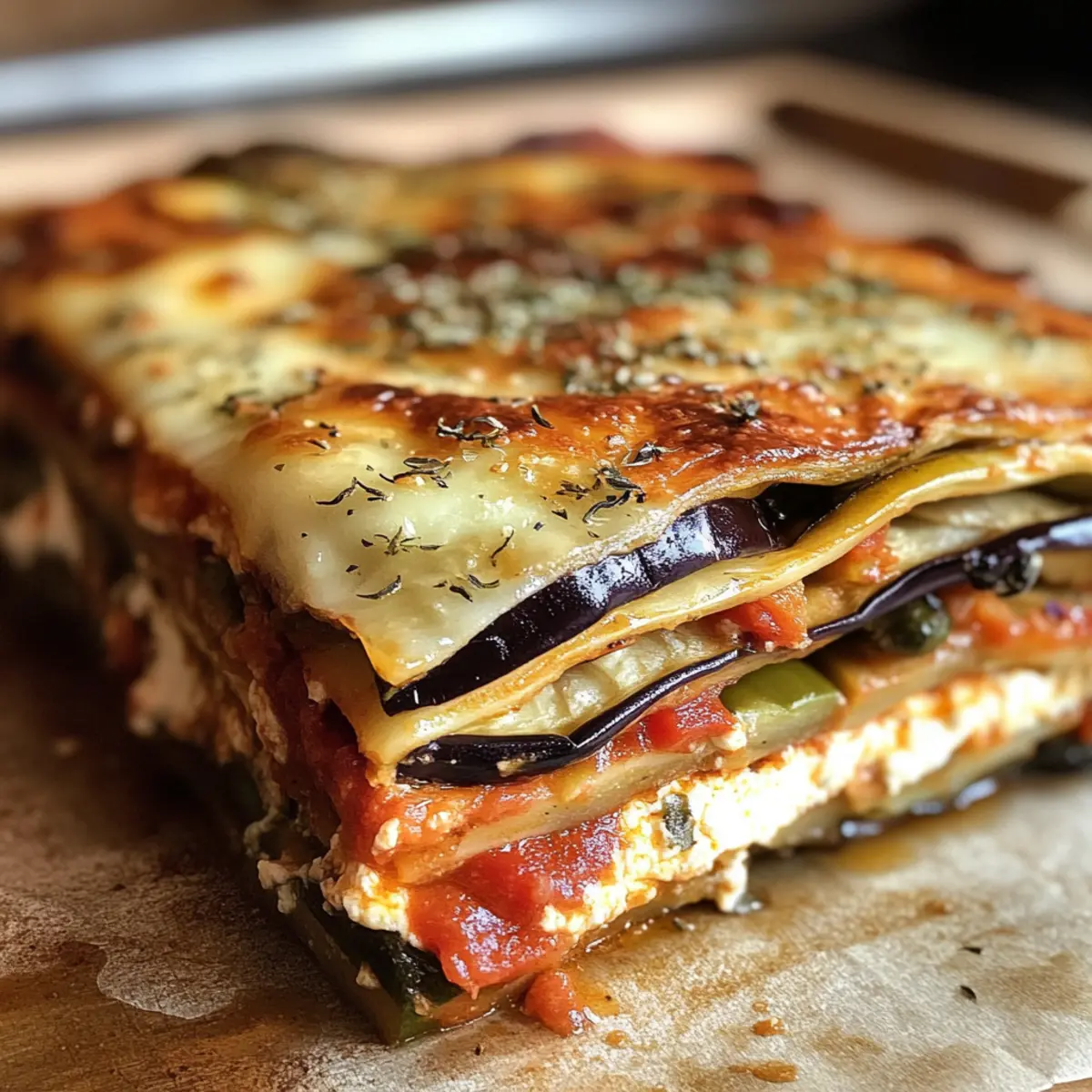
How to Store and Freeze Mediterranean Vegetable Lasagna
Fridge: Store any leftovers in an airtight container for up to 3-5 days, ensuring it’s tightly sealed to maintain freshness and prevent drying out.
Freezer: Freeze the lasagna wrapped in plastic wrap and aluminum foil for up to 3 months. This will keep the layers intact and delicious for your next craving.
Reheating: For best results, fully thaw in the refrigerator overnight before reheating. Bake in a preheated oven at 350°F (175°C) for about 20-25 minutes until heated through, ensuring the cheese is bubbly.
Make Ahead Options
These Layered Mediterranean Vegetable Lasagna with Creamy Ricotta is perfect for busy nights when you need a delicious meal without the last-minute rush! You can prepare the roasted vegetables and the ricotta filling up to 24 hours in advance, storing them in airtight containers in the refrigerator. Additionally, you can assemble the entire lasagna (without baking) and refrigerate it for up to 3 days. To maintain quality, ensure the layers are covered well to prevent drying out. When you’re ready to serve, simply bake the lasagna straight from the fridge, adding an extra 10-15 minutes to the baking time if it’s cold. You’ll have a comforting dish that tastes just as delicious as if it were made fresh!
Mediterranean Vegetable Lasagna Variations
Feel free to unlock your creative side by altering this recipe with these delightful suggestions!
-
Vegetable Swap: Replace any veggies with favorites like spinach, mushrooms, or roasted carrots for a fresh twist. The beauty of this dish is in its flexibility; you can experiment with what you love most!
-
Spicy Kick: Add red pepper flakes to the ricotta mixture for a delightful heat. A hint of spice can elevate the whole dish and wake up your taste buds!
-
Fresh Herbs: Swap dried herbs for fresh basil or oregano for an aromatic boost. The fresh herbs will brighten up the flavors, making your lasagna even more vibrant.
-
Lighter Cheese: Try using cottage cheese blended smooth instead of ricotta for a lighter option. It still retains that creamy texture, perfect for a guilt-free indulgence.
-
Vegan Friendly: Use dairy-free cheese for mozzarella and nutritional yeast for parmesan. With these swaps, everyone can enjoy a hearty slice of this delicious dish.
-
Flavor Infusion: Experiment with flavored oils, like truffle oil or garlic-infused olive oil, for an unexpected depth of flavor with every bite. Little changes can lead to extraordinary outcomes!
-
Cheesy Layers: Mix in a layer of crumbled feta or goat cheese for a tangy surprise. It adds a new dimension of creaminess and richness that pairs beautifully with the vegetables.
-
No-boil Noodles: If short on time, opt for no-boil lasagna noodles. It’ll cut down on prep time, making your cooking experience more enjoyable and less hectic.
For more inspiration, you might enjoy making a flavorful Sweet Potato Vegetable soup as a side, or try a rich and comforting Butternut Squash Lasagna next time you crave a layered dish!
Expert Tips for Mediterranean Vegetable Lasagna
- Layering Technique: Ensure even distribution of ingredients in each layer to avoid sogginess; this helps maintain the integrity of your Mediterranean Vegetable Lasagna when sliced.
- Cooling Veggies: Let the roasted vegetables cool slightly before layering to prevent moisture buildup, which can make your lasagna soggy.
- Baking Time: Keep an eye on your lasagna during the final bake; over-browning can occur quickly, so adjust baking time if necessary.
- Herb Freshness: For a vibrant taste, consider using fresh herbs instead of dried ones if available; this elevates the flavor profile of your Mediterranean Vegetable Lasagna.
- Resting Period: Always let the lasagna rest before slicing to achieve clean, beautiful layers—it’s worth the wait for that perfect presentation!
What to Serve with Layered Mediterranean Vegetable Lasagna?
Elevate your dining experience by complementing this flavorful dish with sides that enhance its vibrant Mediterranean essence.
-
Garlic Bread: The crunchy, buttery goodness of garlic bread perfectly contrasts the soft layers of lasagna, ensuring you savor every last bite.
-
Mixed Green Salad: A refreshing salad tosses together crunchy greens, cherry tomatoes, and a light vinaigrette, balancing the richness of the lasagna and providing a fresh taste.
-
Roasted Vegetable Medley: Continue the Mediterranean theme with additional roasted veggies, bringing warmth and texture that harmonizes beautifully with the lasagna.
-
Tzatziki Sauce: Serve with this cool, creamy yogurt dip to introduce a delightful cucumber flavor that brings freshness and zing to your meal.
-
Sautéed Spinach: Garlic sautéed spinach adds a burst of color and nutrient-rich greens, perfect for a hearty dish like lasagna, while complementing its flavors.
-
Light White Wine: Pour a glass of crisp, chilled Sauvignon Blanc to elevate your meal; its acidity cuts through the richness, enhancing the overall experience.
-
Lemon Sorbet: For dessert, a refreshing lemon sorbet cleanses the palate, rounding out the Mediterranean feast with a touch of citrusy brightness.
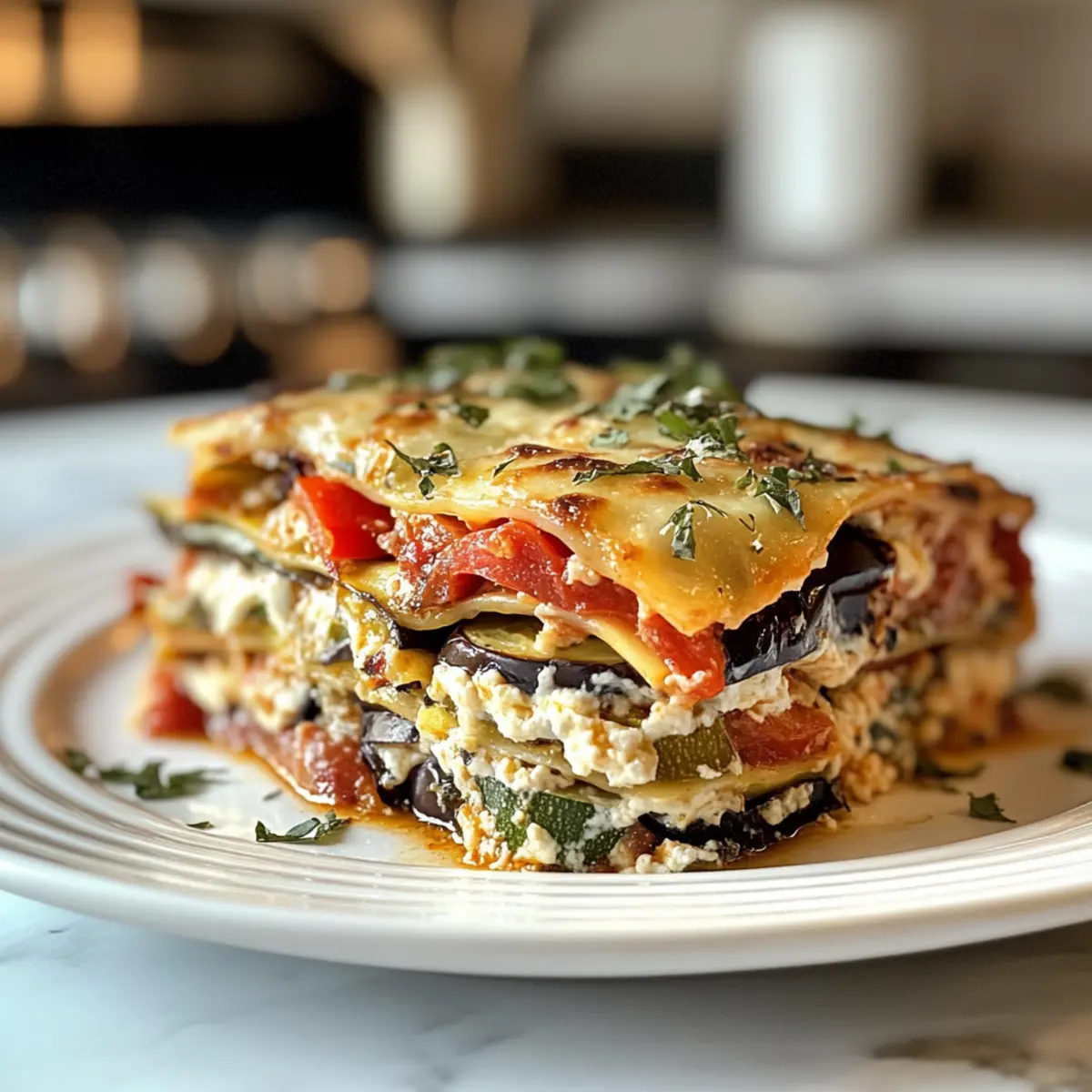
Layered Mediterranean Vegetable Lasagna with Creamy Ricotta Recipe FAQs
Can I use vegetables that are not perfectly ripe?
Absolutely! While using ripe vegetables enhances flavor, slightly underripe ones can work too, especially eggplants and zucchinis. Just ensure they’re firm without dark spots for the best results.
How should I store leftover Mediterranean Vegetable Lasagna?
Store any leftovers in an airtight container in the fridge for up to 3-5 days. Make sure it’s tightly sealed to maintain freshness and prevent it from drying out.
Can I freeze Mediterranean Vegetable Lasagna?
Certainly! Wrap the lasagna tightly in plastic wrap, followed by aluminum foil, and freeze for up to 3 months. When you’re ready to enjoy it, thaw in the fridge overnight before reheating in a preheated oven at 350°F (175°C) for 20-25 minutes until heated through.
What can I do if my lasagna turns out too watery?
To avoid sogginess, ensure roasted vegetables cool slightly before layering; this helps to prevent excess moisture. If you find your lasagna watery, let it rest longer after baking to allow some liquid to evaporate.
Are there any dietary considerations for Mediterranean Vegetable Lasagna?
Yes! For a gluten-free option, you can use gluten-free lasagna noodles. Additionally, for a dairy-free version, substitute ricotta and mozzarella cheeses with vegan alternatives. Always ensure your ingredient substitutions align with your dietary needs.
What’s the best method for reheating Mediterranean Vegetable Lasagna?
For the best results, allow the frozen lasagna to thaw overnight in the refrigerator. Reheat it in a preheated oven at 350°F (175°C) for 20-25 minutes until bubbly and heated through. This will help maintain the texture and flavor of the dish beautifully!
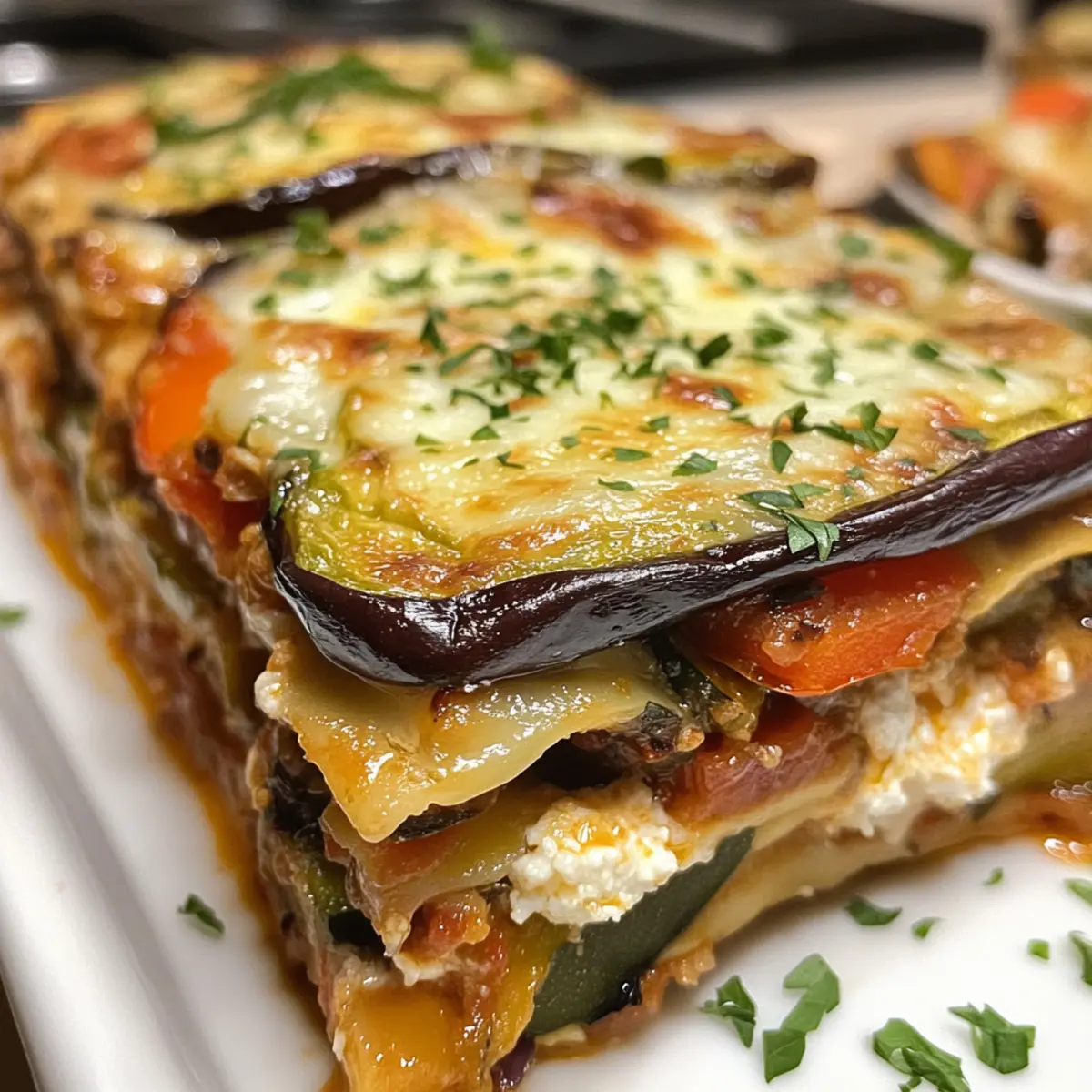
Savory Mediterranean Vegetable Lasagna to Brighten Your Table
Ingredients
Equipment
Method
- Preheat your oven to 400°F (200°C) and line a large baking sheet with parchment paper.
- Slice the eggplant, zucchini, and bell peppers into even pieces and arrange them on the baking sheet. Drizzle with olive oil and sprinkle with salt and pepper.
- Roast the vegetables in the preheated oven for about 20 minutes, flipping halfway.
- Cook lasagna noodles in a large pot of salted water according to package instructions until al dente, about 8-10 minutes.
- In a medium bowl, mix ricotta cheese, minced garlic, oregano, basil, and a pinch of salt and pepper until smooth.
- Spread a thin layer of marinara sauce across the bottom of a 9x13 inch baking dish.
- Layer three lasagna noodles, half of the roasted vegetables, half of the ricotta mixture, and a third of the mozzarella and parmesan cheeses.
- Repeat the layering with more marinara sauce, another layer of noodles, the remaining roasted vegetables, the rest of the ricotta, and the remaining cheese.
- Top with a final layer of noodles and the remaining marinara sauce. Sprinkle the remaining cheeses on top.
- Cover the dish with aluminum foil and bake for 25 minutes. Remove foil and bake for an additional 15 minutes until cheese is melted and golden.
- Let the lasagna rest for about 10 minutes before serving. Garnish with fresh basil leaves.